

How to Remove Stains From Clothes in Dubai
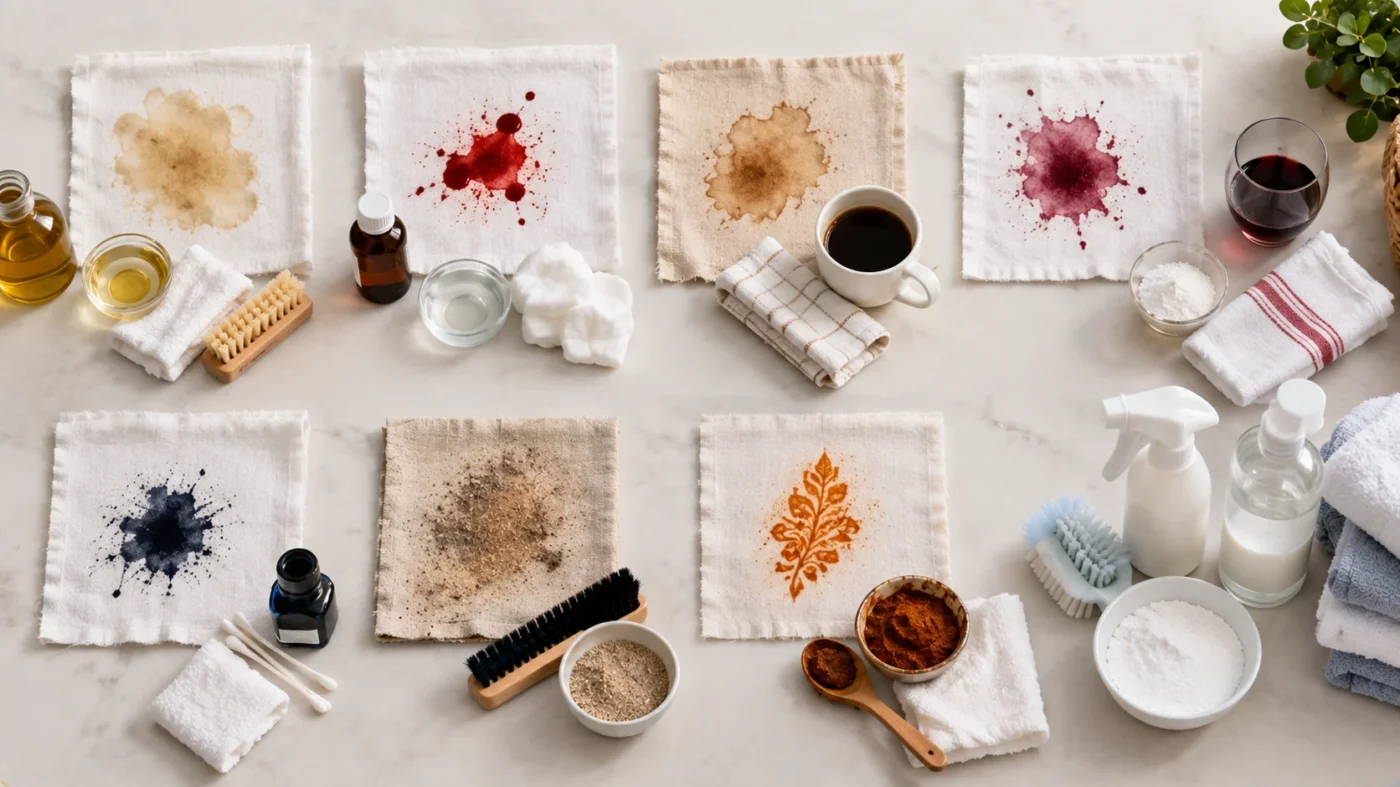
Clothing stains can come from very different sources, so the right treatment depends on what caused the stain, the fabric involved and the care instructions on the garment. In Dubai, everyday clothing may also deal with sunscreen, sweat, oud oil, perfume, fine desert dust and sand. Acting quickly and choosing a fabric-safe method can help prevent a small mark from becoming a permanent one.
What Should You Do First?
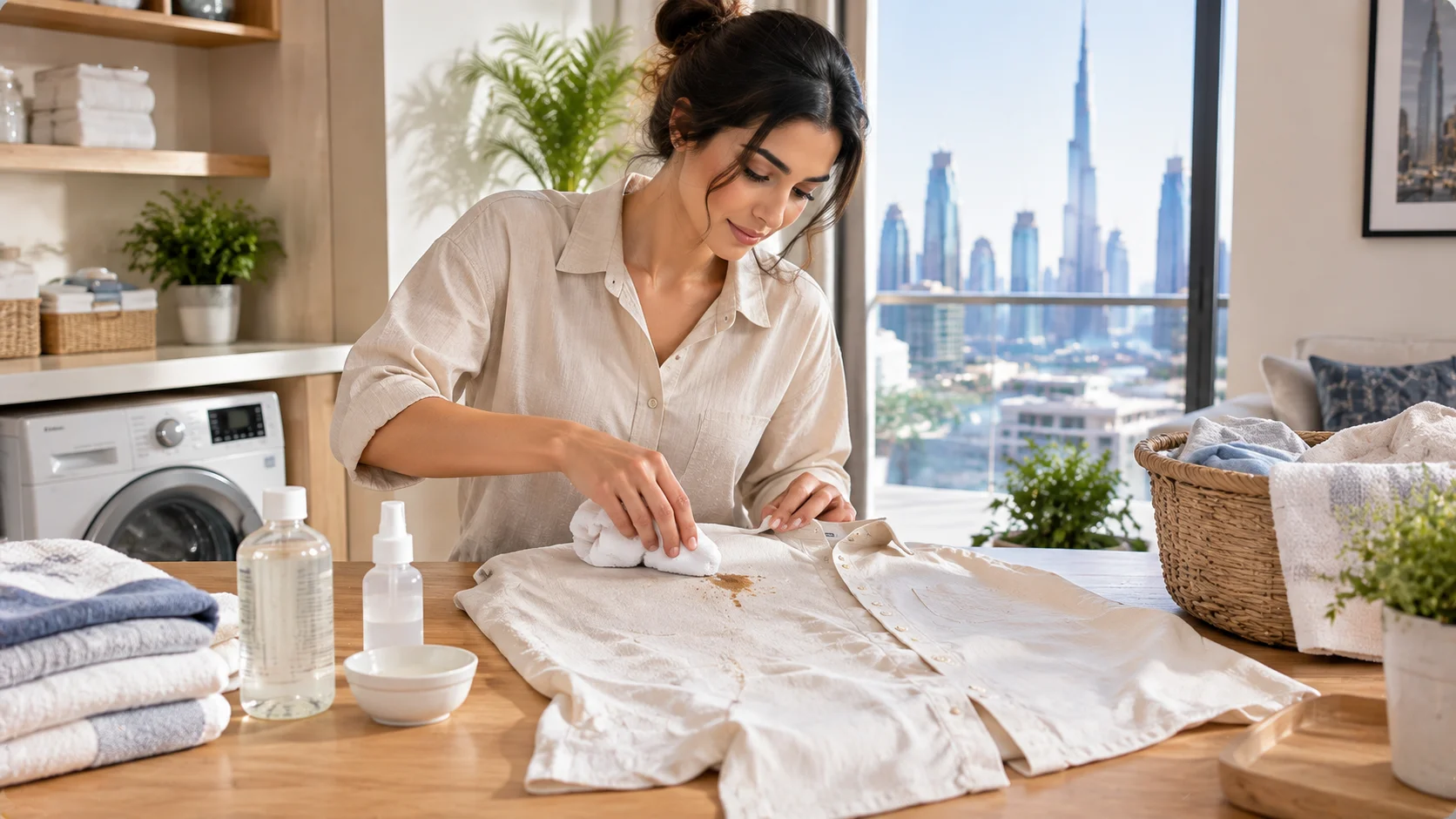
The safest first step is usually to remove excess material without spreading the stain, check the garment care label and choose a treatment suited to the type of mark and fabric.
| Stain | First Step | Water / Treatment |
|---|---|---|
| Grease, oil, sunscreen or oud | Blot excess and pretreat | Use the warmest temperature allowed by the care label |
| Blood or protein-based stains | Rinse as soon as possible | Cold water |
| Coffee or tea | Blot or rinse, then treat | Follow the fabric’s care instructions |
| Wine or fruit | Blot and treat if colorfast | Follow the garment label |
| Ink | Test a hidden area before treatment | Rubbing alcohol may be used carefully where appropriate |
| Sand or dust | Brush away dry particles first | Rinse with cold water |
| Henna | Treat while fresh when possible | Cold treatment; delicate garments may need professional cleaning |
Before You Start Removing a Stain
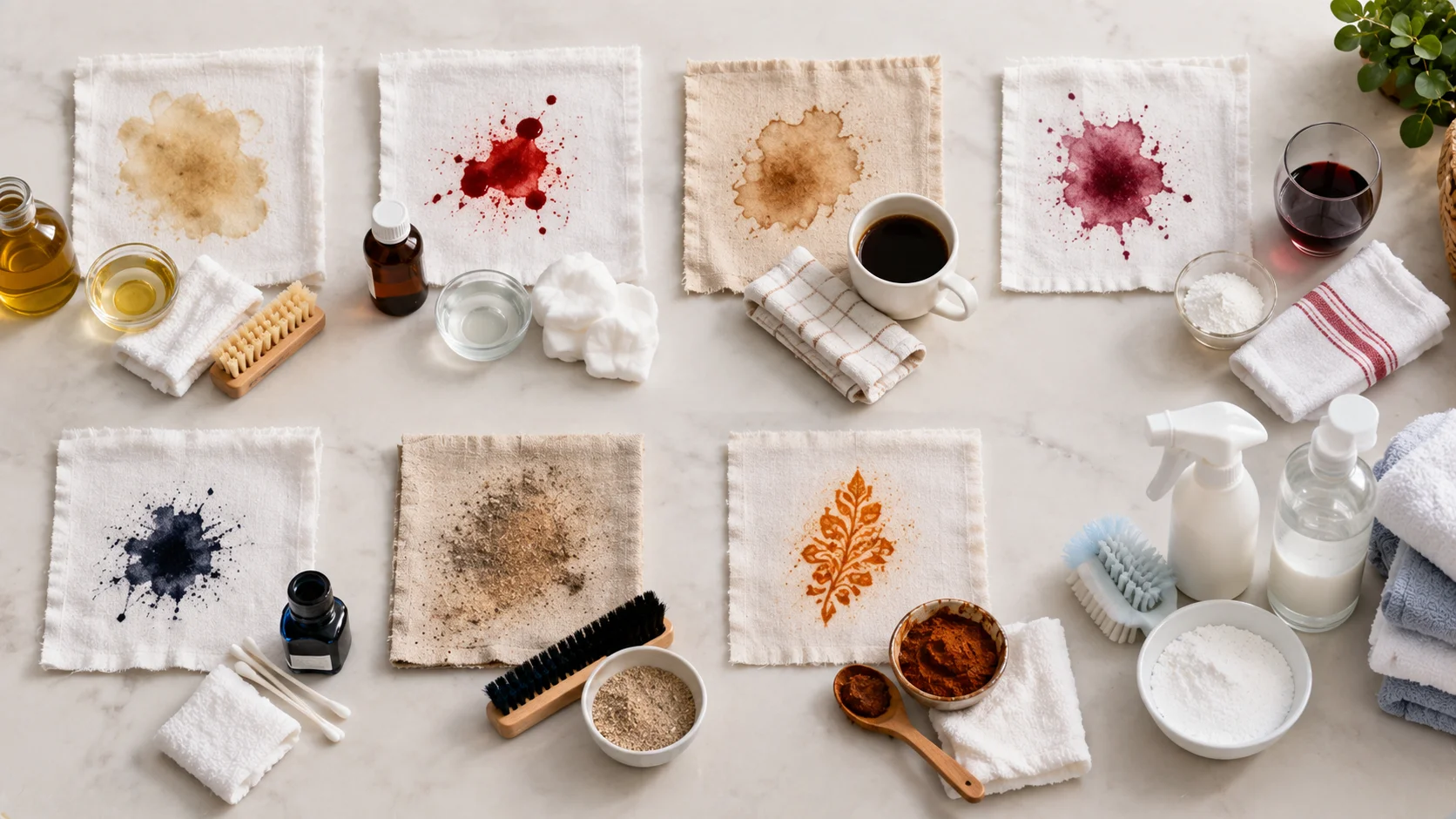
A rushed treatment can sometimes make a stain harder to remove. Start by checking the care label and identifying what caused the mark.
- Check the fabric and washing instructions.
- Identify whether the stain is oil-, protein-, beverage-, cosmetic- or dirt-based.
- Blot liquid stains instead of aggressively rubbing them.
- Test a cleaning product on an inconspicuous area first.
- Avoid heat until you know the stain can tolerate it.
How to Treat Everyday Clothing Stains
Different stains require different approaches. The goal is to loosen the mark without damaging the garment.
Grease and Oil
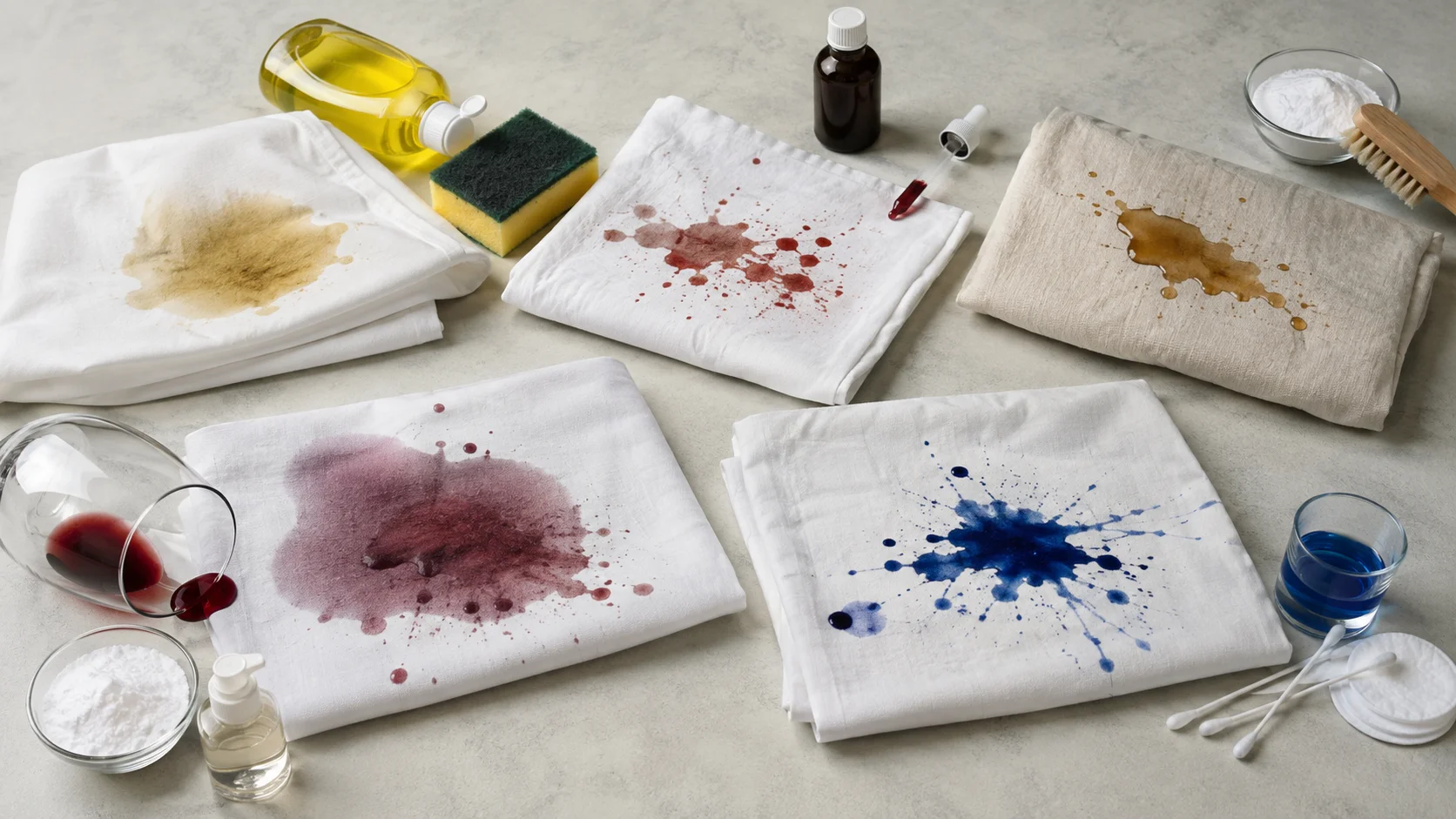
Grease from food, cosmetics, sunscreen or oils can cling to fabric. Blot away excess material first and pretreat the affected area before washing according to the garment label.
Blood and Protein Stains
Cold water is generally preferred for fresh blood and other protein-based stains. Avoid immediately applying heat because it can make treatment more difficult.
Coffee and Tea
Blot fresh coffee or tea rather than rubbing it into the fibres. Rinse or treat the area according to the fabric’s washing instructions.
Wine and Fruit
Remove excess liquid by blotting, then use a suitable treatment if the garment is colorfast and the care label permits it.
Ink
Ink requires extra care. Test any rubbing alcohol treatment on a hidden area first and avoid spreading the mark across the surrounding fabric.
Important: Never mix different cleaning products together. Some combinations can create harmful fumes or damage clothing.
Common Clothing Stains in Dubai
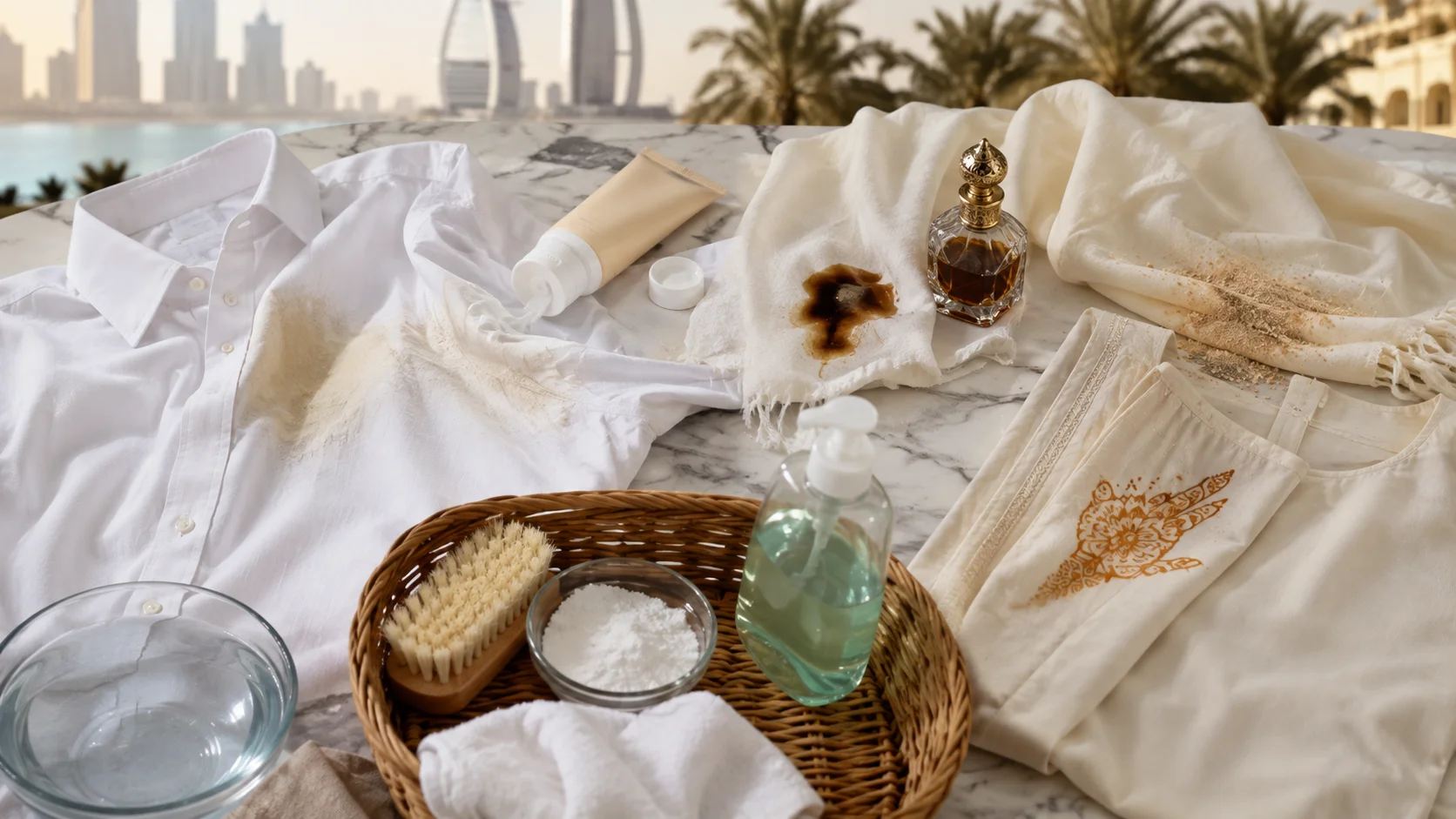
Dubai’s hot weather and outdoor environment can create some particularly common clothing-care challenges.
Sweat and Heat Marks
Hot temperatures can lead to sweat marks, especially around collars, underarms and other areas where fabric stays close to the skin. Prompt washing can help prevent marks from setting.
Sunscreen
Sunscreen can leave oily or yellowish marks. Remove excess product, pretreat carefully and wash according to the garment label.
Oud and Perfume Oils
Oud and oil-based fragrances can transfer onto clothing. Blot excess oil and use a suitable pretreatment rather than immediately applying aggressive chemicals.
Sand and Fine Dust
Brush dry sand and dust from clothing before adding water. Rinsing immediately while particles are still embedded can spread dirt through the fabric.
Henna
Henna can be difficult to remove once it has dried and set. Treat fresh marks as soon as possible, while delicate or valuable garments may require professional cleaning.
For more practical Dubai clothing advice, explore the Dubai outfit guide and the wider Dubai fashion section.
“`Stain Removal by Fabric Type
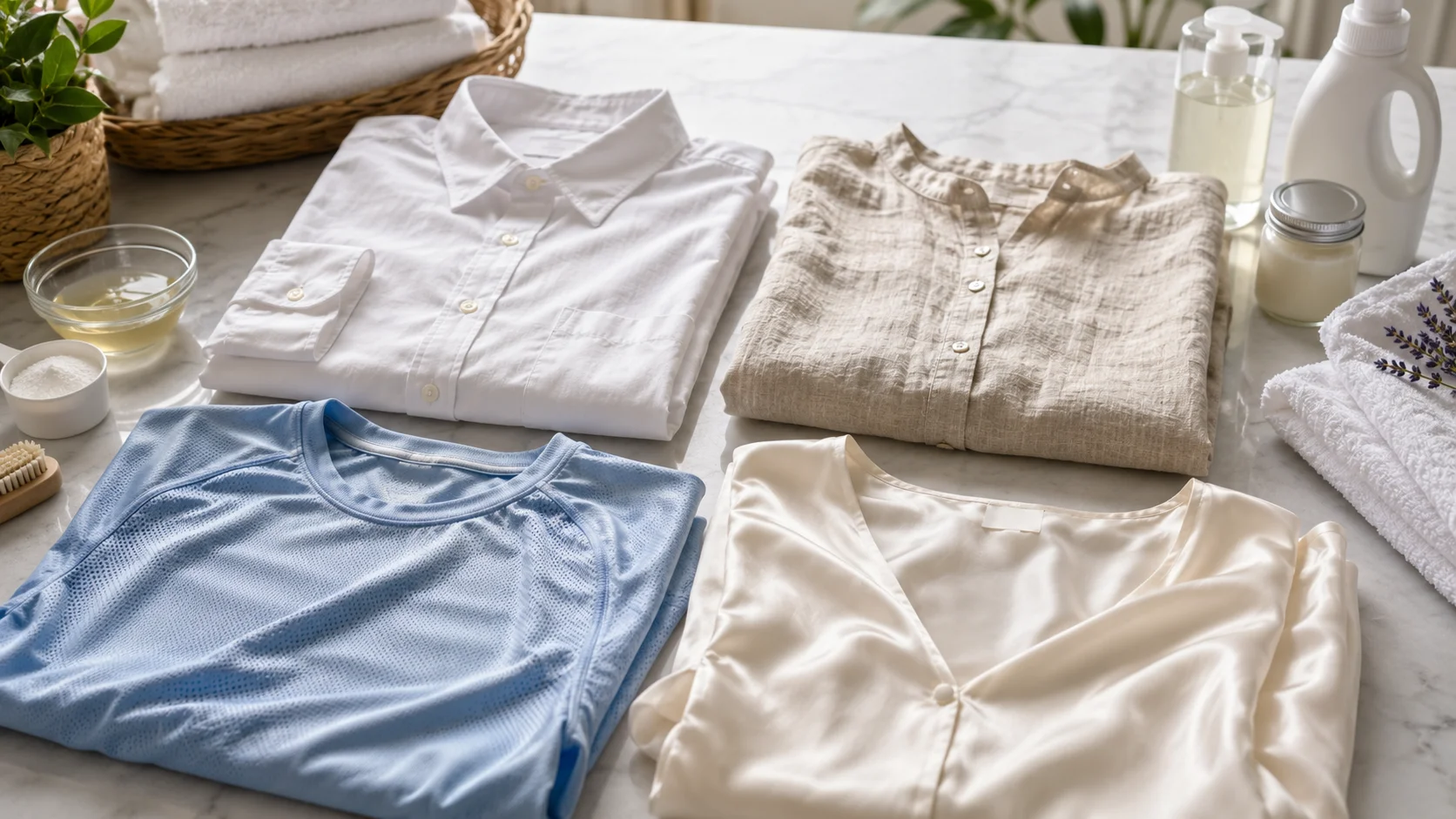
A cleaning method that works on one garment may be unsuitable for another. Always start with the care label.
Cotton and Linen
These fabrics can often tolerate regular washing, but the care label should determine the appropriate water temperature and treatment.
Polyester and Synthetic Fabrics
Synthetic fabrics may hold onto oils and sunscreen. Pretreatment can be useful, but avoid harsh products that could affect the fabric or finish.
Wool and Silk
Delicate fibres need more caution. Avoid experimenting with strong stain removers unless the garment instructions specifically permit them.
This is particularly important for occasion clothing. DubaiStyle’s bridal and occasion-wear section can help when considering delicate formal garments.
Should You Use Cold or Warm Water?
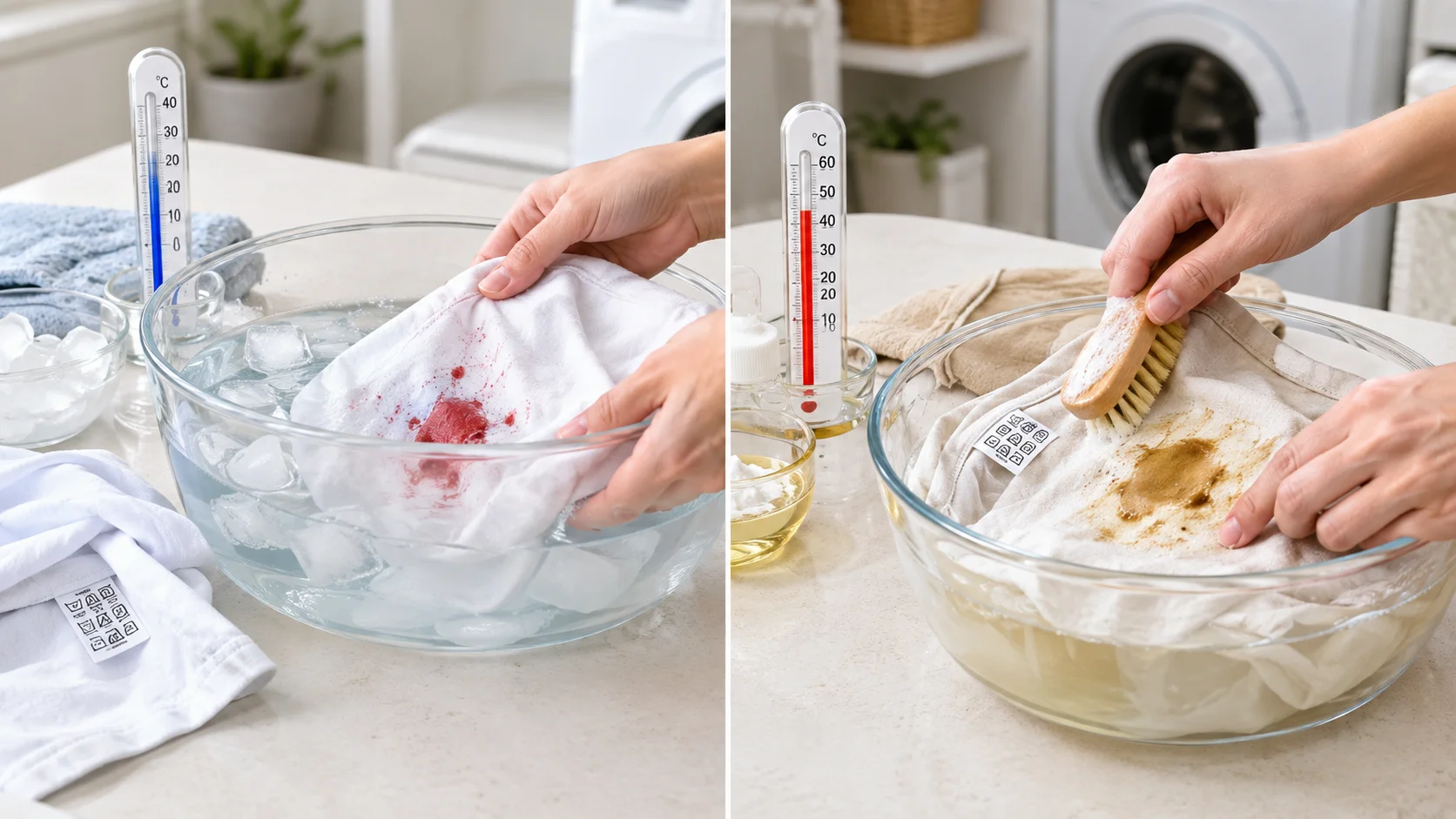
Water temperature matters because some stains respond better to cold water while others may be easier to treat with warmer water when the fabric permits it.
Cold Water
Cold water is commonly preferred for fresh blood and protein-based stains. It can also be a safer starting point when you are unsure how a fabric will react.
Warm Water
Some oil-based or greasy marks may respond to warmer washing conditions, but only use temperatures allowed by the garment care label.
What About Dubai’s Water?
Water hardness can affect washing and detergent performance. If your clothing feels stiff or develops residue after washing, consider whether your washing routine, detergent amount and water conditions need adjustment.
Common Stain-Removal Mistakes
01Rubbing Too Hard
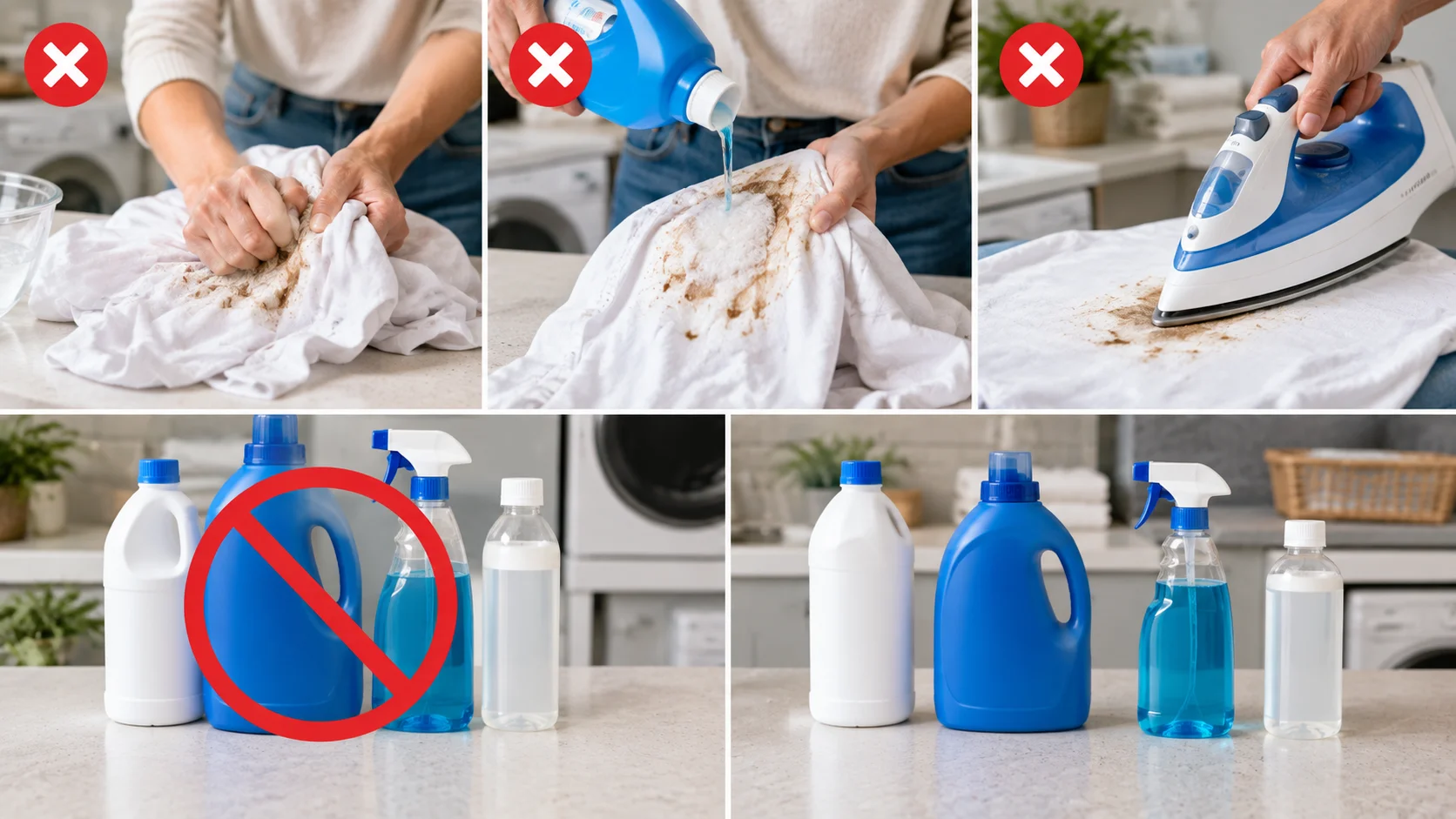
Rubbing can push a stain deeper into the fibres or spread it across a larger area.
02Ignoring the Care Label
The care label should guide water temperature, washing method and whether professional cleaning is required.
03Using the Wrong Remover
A product suitable for one stain or fabric may be unsuitable for another. Always test first where appropriate.
04Applying Heat Too Soon
Do not tumble-dry or iron a stained garment until you are confident the mark has been removed.
05Using Too Much Product
More cleaning product does not necessarily mean better results and may leave residue or affect fabric.
06Mixing Cleaning Products
Never mix cleaning chemicals. Follow the instructions on each product and keep the process simple.
When Should You Use a Professional Cleaner?
Some stains and garments are better handled professionally, especially when the item is delicate, valuable or difficult to replace.

Professional Cleaning May Be Better When:
- The garment is labelled dry-clean only.
- The fabric is delicate such as silk or wool.
- The stain has already dried or set.
- The garment has significant sentimental or financial value.
- You are unsure which treatment is safe.
- Home treatment has already failed.
For formalwear and special-event clothing, careful garment maintenance is particularly important. You can also browse how to choose a wedding dress when planning clothing for major occasions.
Explore More Style & Clothing Guides
Once your clothes are clean and ready to wear, these related DubaiStyle resources can help with outfit planning, fashion and occasion dressing.
Explore practical styling and clothing advice.
Browse lifestyle-focused articles and practical guides.
Useful guidance for shopping and finding clothing in Dubai.
Discover more fashion, lifestyle and Dubai-focused articles.
Frequently Asked Questions About Removing Stains
How quickly should I remove a clothing stain?
As soon as practical. Fresh stains are often easier to treat than marks that have dried and set into the fabric.
What if the stain remains after washing?
Do not automatically apply heat. Recheck the fabric care instructions and choose a treatment appropriate for the stain and material before washing again.
Should I use cold or hot water for stains?
It depends on the stain and fabric. Cold water is commonly used for blood and protein stains, while some oil-based stains may tolerate warmer washing. Always follow the garment label.
Should I rub a stain?
Avoid aggressive rubbing. Blotting is generally a safer first step for many fresh liquid stains because it reduces the chance of spreading the mark.
Does hard water affect clothing cleaning?
Water hardness can affect how detergents perform and may contribute to residue. If you notice repeated washing issues, review your detergent quantity and washing routine.
Can I use baking soda on clothing stains?
Baking soda is sometimes used in household cleaning, but it should not automatically be applied to every stain or fabric. Check the garment instructions and test cautiously when appropriate.
Remove Stains Carefully, Not Aggressively
The key to successful stain removal is identifying the stain, protecting the fabric and acting before the mark becomes set. In Dubai, sweat, sunscreen, oud, perfume oils, sand, dust and henna can create additional clothing-care challenges.
Start with the garment care label, blot rather than aggressively rub, use an appropriate treatment and avoid heat until you know the stain has been removed. For delicate, valuable or difficult-to-clean clothing, professional care can be the safer option.

Pingback: Best Fabrics for Summer in Dubai: What Actually Keeps You Cool - Dubai Style